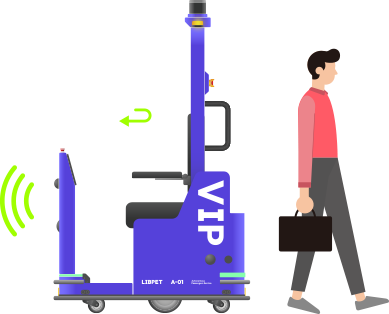
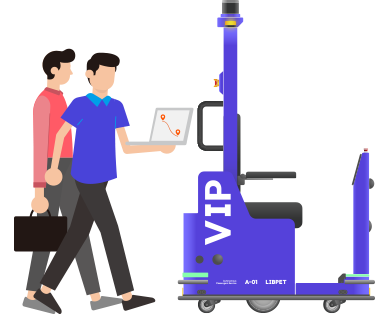
APS autonomous passenger service in an airport

Autonomous Passengers
Service

How to Ride APS

1

Contact staff

Contact staff to inform your desti­nation, and they will set up an auton­omous driving
route to help you arrive quickly.
2

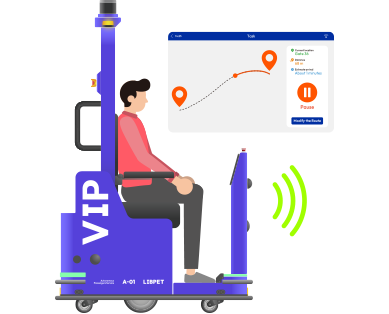
While driving

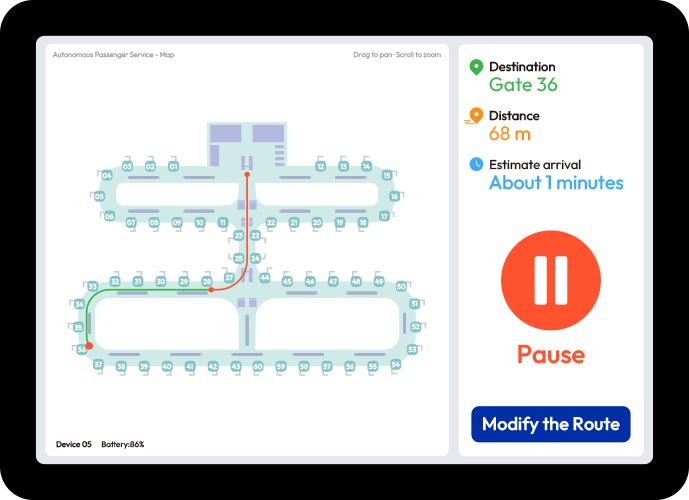
Board, device drives preset route, view itinerary & time on screen.

3

Trip completed

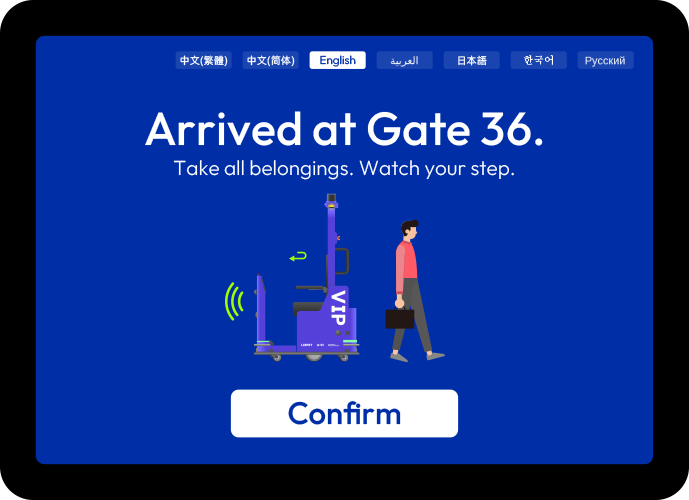
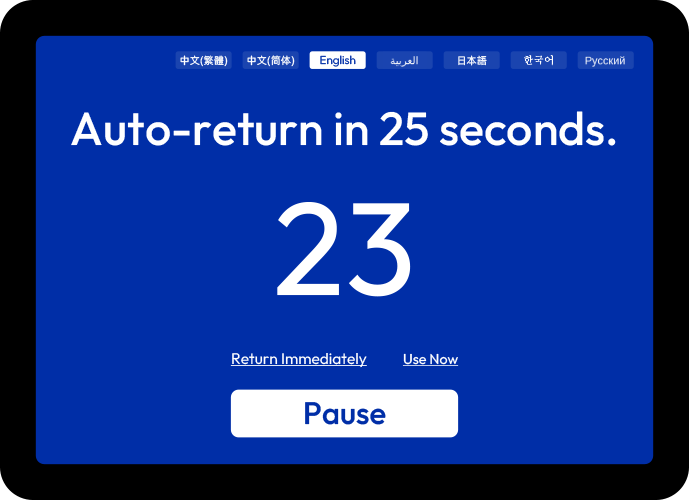
Arrived, collect luggage, tap "Con­firm", vehicle returns, journey ends.

Delivering High-Density Efficiency
in Core Hubs.

We focus on high-traffic airports for maximum efficiency. Through optimized dispatch and high-frequency routing,
we’ve completed tens of thousands of precision trips. Safety is our baseline; efficiency is our hallmark.

Autonomous Kilometers
Completed Missions

Clear and Easy-to-Use
Multilingual Passenger UI Instructions

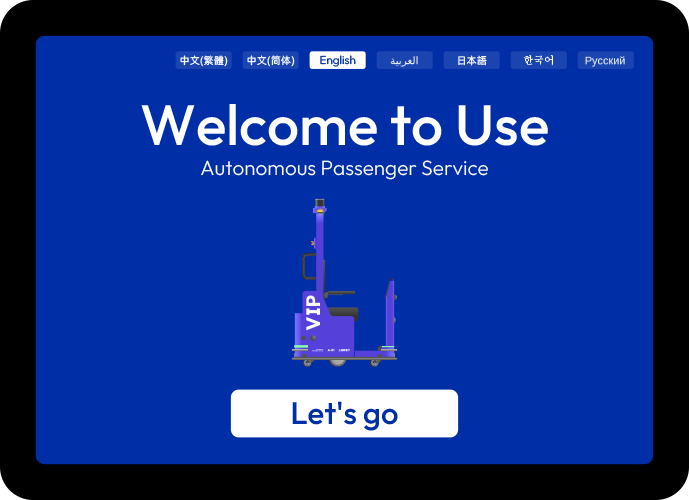
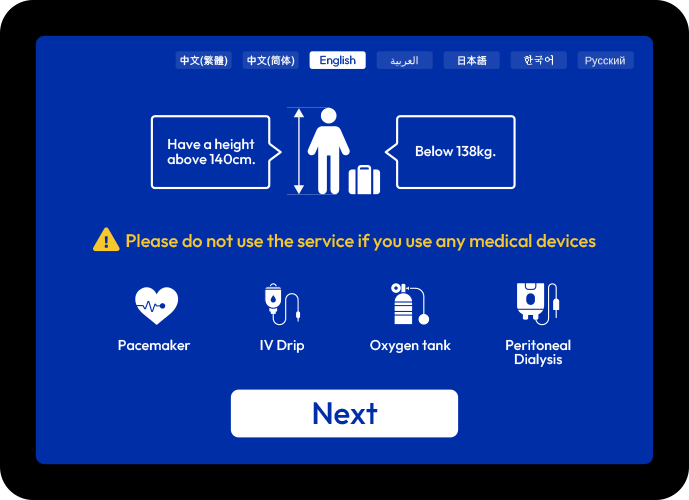
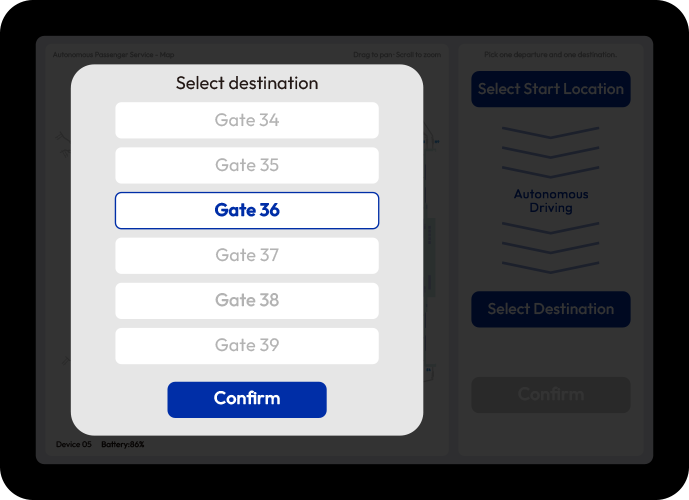
APS multilingual passenger interface 1
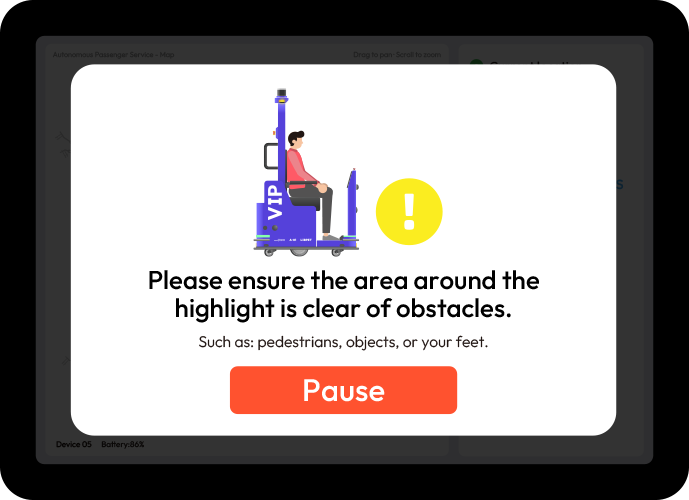
APS multilingual passenger interface 2
APS multilingual passenger interface 3
APS multilingual passenger interface 4
APS multilingual passenger interface 5
APS multilingual passenger interface 6
APS multilingual passenger interface 7

Hardcore Tech for Passenger Safety

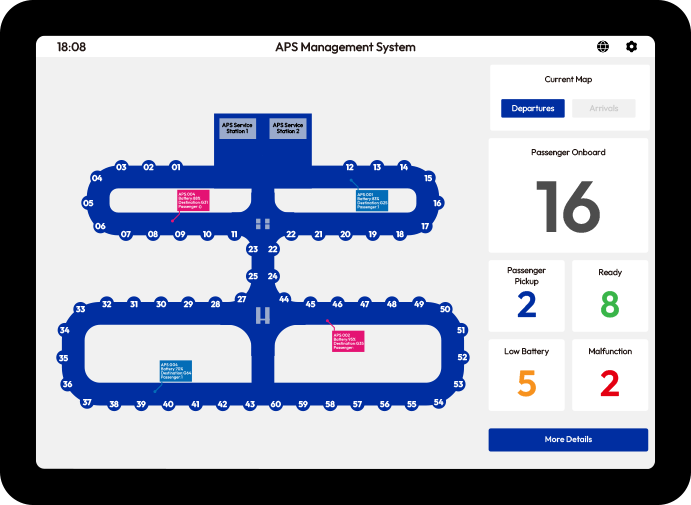
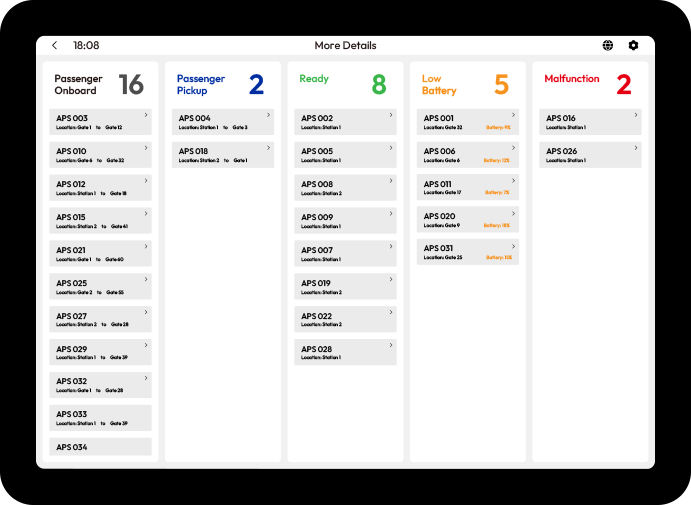
APS Management System

Real-time tracking across the map.
Instant visibility of location, battery level, and service status.
From data to decisions — enabling smarter operations.

APS management system interface 1APS management system interface 2

Field Experience

Deep understanding of complex airport operational pain points,
with hands-on project experience
in optimizing routes through data analysis and evaluating peak-hour capacity.

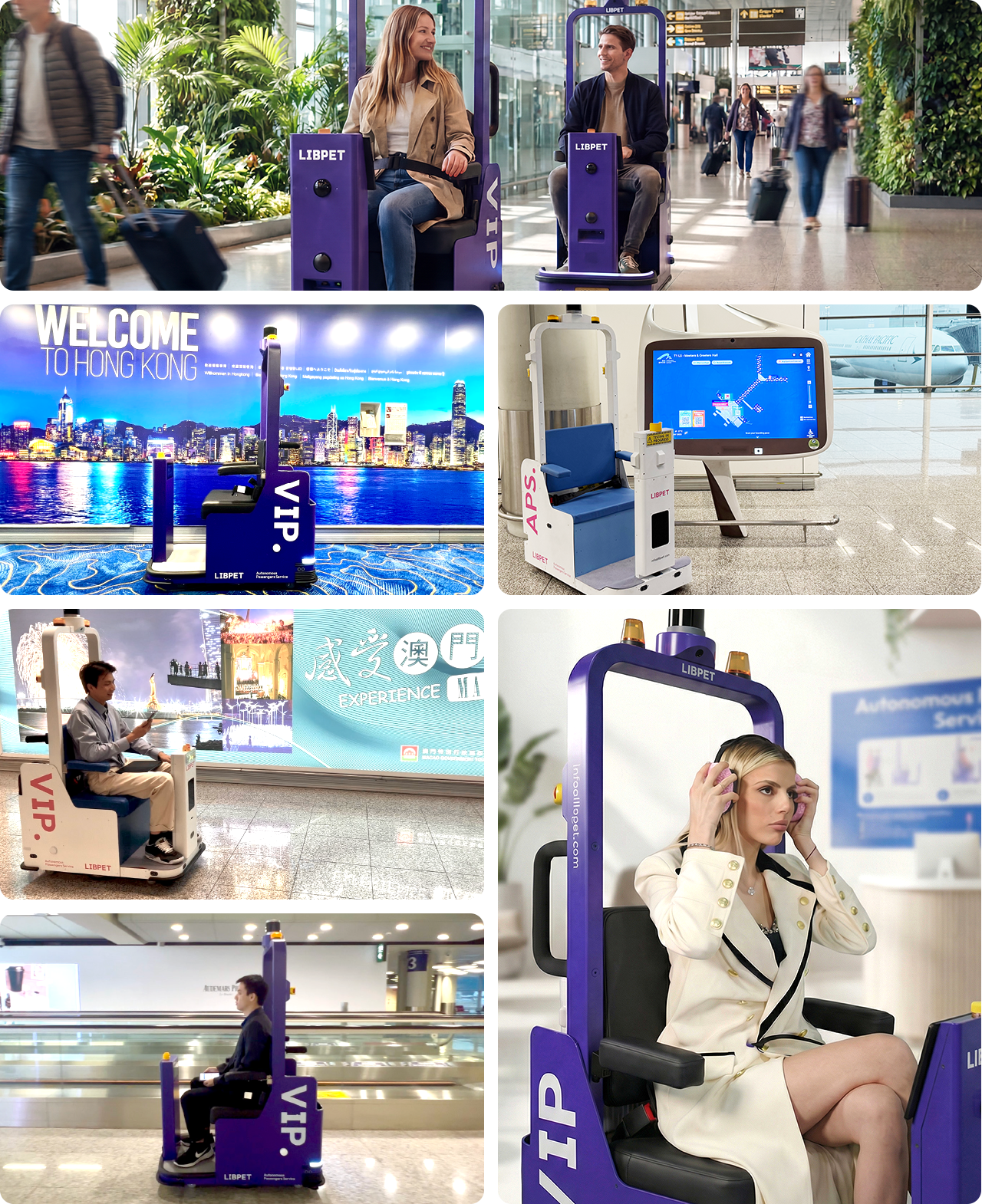
APS deployments and passenger experiences in airport environments

APS 30-Day Pilot Program

Quickly validate the value of APS smart mobility services.

Days 1–10

Evaluation and Implementation

  • Define the pilot zone: terminal gates, PRM service areas, and routes from the parking lot to the terminal.
  • Configure a multilingual interface for APS robots.
  • Train staff on robot operation, safety procedures, and passenger interaction methods.
Days 11–20

Pilot Operation

  • Deploy robots to real passenger scenarios during peak and off-peak hours.
  • Collect feedback from passengers, staff, and service providers.
  • Monitor key performance indicators: passenger wait time, PRM service efficiency, and satisfaction scores.
Days 21–30

Review and Optimization

  • Develop a two-way diagnostic model integrating performance data and passenger feedback to identify service gaps.
  • Prepare a report covering estimated ROI and scalability potential.
  • Propose recommendations for long-term deployment.

Fourfold Value Returns from
Smart Airport Upgrading

Social Value

Improve accessibility ratings,
demonstrate the city’s inclusive character,
and establish a benchmark for elderly-friendly
services.

Brand Value

Attract media coverage through
“cutting-edge technology”
applications, reinforcing the image of the
“most technologically advanced airport.”

Experience Value

Reduce passenger wait times and fatigue,
enhancing overall satisfaction.

Economic Value

Reduce companion/caregiver labor costs and
increase commercial area
footfall conversion through optimized
route guidance.

Customization Available

Every ride becomes a unique scene.
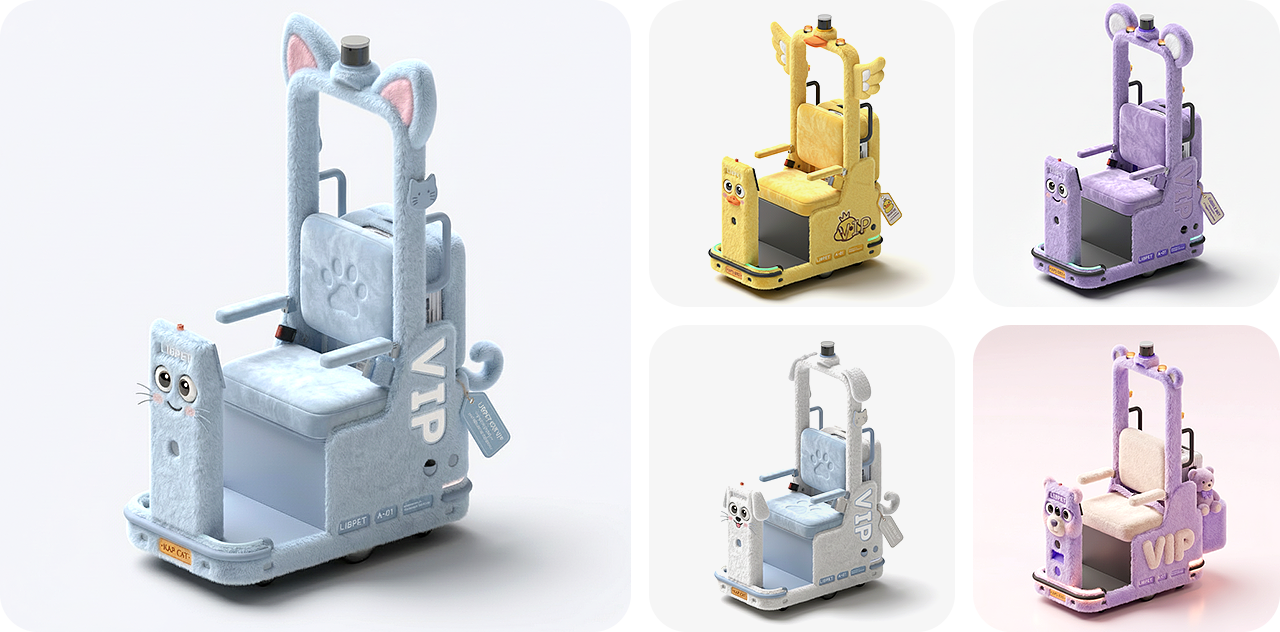
Support custom fabric skins — switch between festive or brand looks.

Customized APS fabric and character exterior designs